Hiking
Otter Creek Wilderness Area
Monongahela National Forest, West Virginia
Overview
by Christopher Burk, Outdoor Travels
The 20,000-acre Otter Creek Wilderness is located in the Tucker and Randolph Counties, West Virginia. It is bordered on the East by McGowan and on the West by Shavers Mountains. Alpena Gap along US33 marks its southern border while it's northern boarder reaches all the way up to WV72.
The entire wilderness is basically a bowl and includes almost the entire drainage areas of Otter Creek and Shavers Lick Run. It was designated a wilderness area by Congress back in 1975 and is maintained under the Wilderness Act of 1964 which states a Wilderness area shall be:
- Affected primarily by the forces of nature, where man is a visitor who does not remain;
- Possessing outstanding opportunities for solitude or a primitive and unconfined type of recreation;
- Federally owned, undeveloped, and generally over 5,000 acres in size;
- Protected and managed so as to allow natural ecologic processes to operate freely;
- Containing ecological, geological, or other features of scientific, educational, scenic, or historic value;
- Formally designated by Congress as Wilderness.
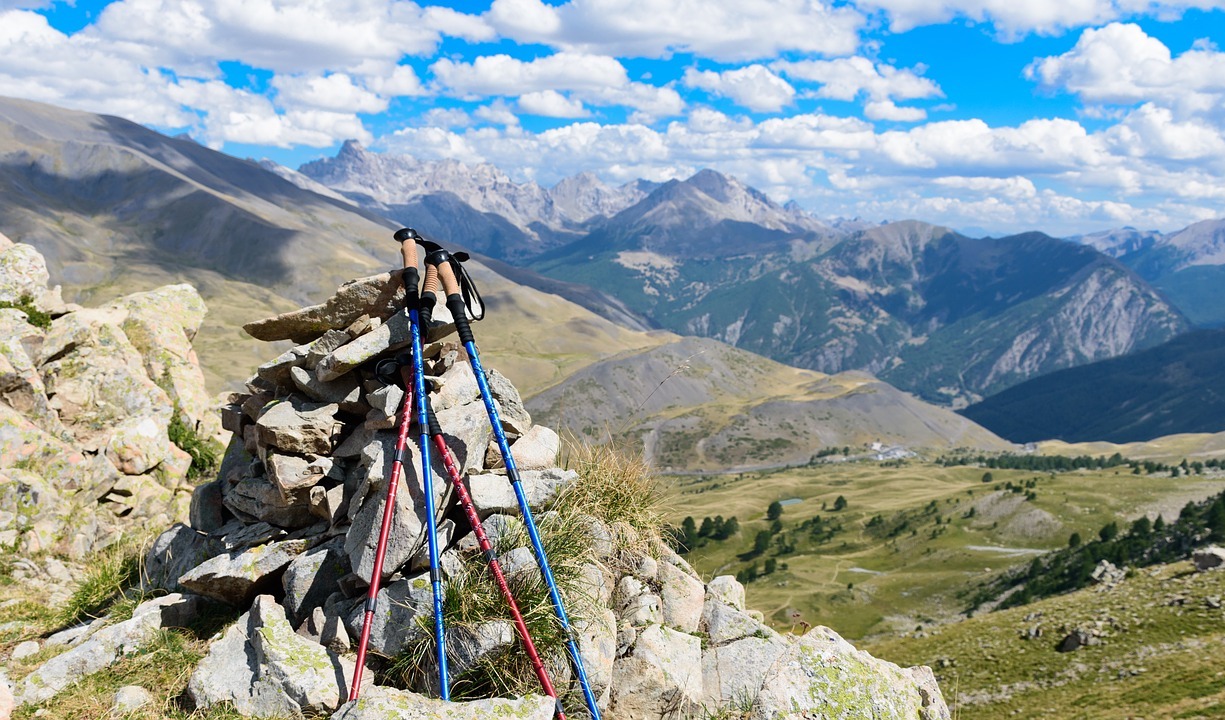
In keeping with the wilderness character, the area is primitive and rugged. Trails are neither signed nor blazed, although rock cairns are occasionally provided in areas that may appear confusing. Deadfall trees are not removed from the trails unless going around them will cause unacceptable environmental impacts. And there are no bridges at creek crossings.
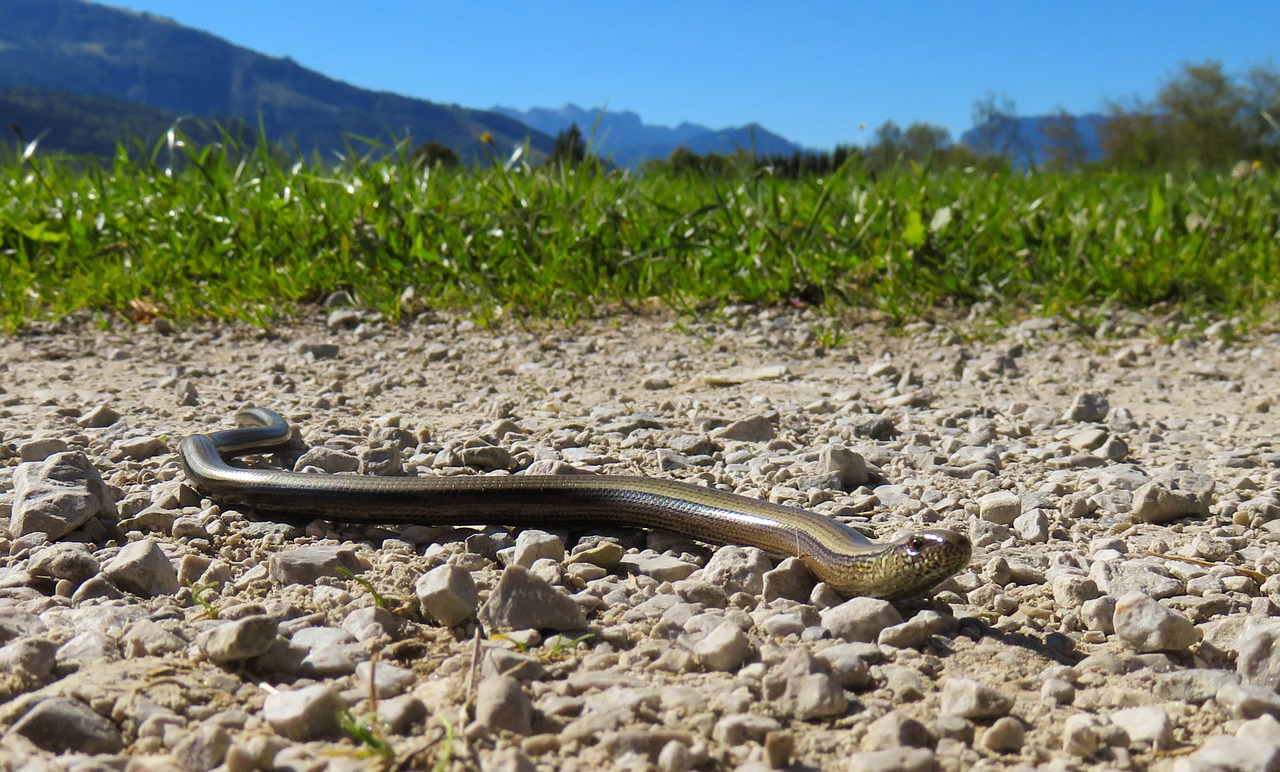
The wilderness is also a haven for wildlife. While hiking through the Wilderness, one might encounter black bear, whitetail deer, wild turkey, grouse, snowshoe hare, cottontail rabbit, and a variety of squirrels. Mink and beaver inhabit the streams and creeks while blue crayfish can be found along the damp trails. There are many species of birds, and several of reptiles including two poisonous snakesthe timber rattlesnake and copperhead. Otter Creek is also home to a small population of brook trout and several amphibians such as the Cheat Mountain salamander and gray tree frog.
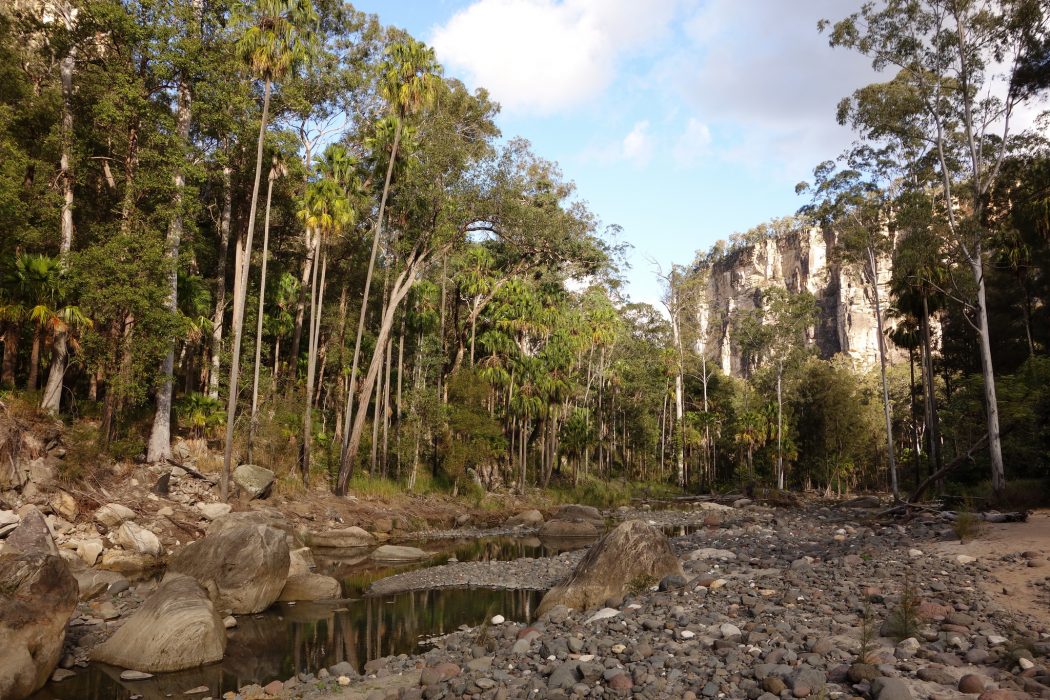
Unfortunately, the Otter Creek area was heavily logged during the turn of the century and with the exception of one or two groupings of virgin trees along Shavers Mountain, most of the area is forested with second-growth timber stands. For the most part, the trees came back naturally. Spruce, hemlocks and rhododendron thickets dominates the higher elevations and gradually gives way to hardwood trees such as black cherry and yellow birch on the middle and lower slopes. There are also occasional plantations of Norway spruce and groves of apple trees dating from when people resided in the Otter Creek area and tried to replace some of the harvested timber. Mountain laurel and rhododendron thickets line the banks of the streams while ferns, wildflowers and mosses cover the ground.
History
From 1897 to 1914, Otter Creek Boom and Lumber Company heavily logger the entire area. Several areas were also homesteaded either prior to or during this time and remnants of these times can still be seen along the trails.
The U.S. government in 1917 acquired the majority of the Otter Creek area. The area was viewed primarily as a recreation area. Dirt bikes often made the trip from the mouth of Otter Creek up the length of the drainage as a scenic shortcut to get to Elkins. In the 1960's, shelters were built at the junction of Otter Creek and Moore Run trails and not far from the intersection of Green Mountain and Possession Camp trails. These shelters were popular camping sites. More logging was done from 1968 to 1972 in areas near Turkey Run, Condon Run, and north of Otter Creek near Big Springs Gap as the second-growth timber started to reach merchantable size.
About this time, a push began to get the area designated as a wilderness. Recreational users at the time were tired of the noise and physical impact of the dirt bikes and did not want any logging done in the area. Hunters joined the push because the remoteness of the area made it good black bear habitat, and the population of this species in West Virginia was perceived to be declining. The area was designated as wilderness by the Eastern Wilderness Act, passed by Congress in 1975. At that time, the last remaining parcel of land in private ownership within the Wilderness boundary was acquired by U.S. government from the Rhoades family.
Nuts & Bolts
Location: On the Cheat-Potomac Ranger District of the Monongahela National Forest in Tucker and Randolph Counties, West Virginia.
Trail System: Otter Creek Wilderness has 45 miles of trails, many of which follow old railroad grades, logging roads, or farm roads.
Directions: From the South at the junction of US33 and FR91 at Alpena Gap drive north on FR91. Follow FR 91 for 1.3 miles to a triangle-shaped intersection with FR 303. Take the right side of the triangle and proceed on FR 303 to the southern trailhead of the Otter Creek Trail. The northern trailhead is just off WV 72, 2.0 miles south of Hendricks, WV.
Activities: Hiking
Contact: Potomac Ranger District, HC 59, Box 240, Petersburg, WV 26847
Admission: none
Maps & Stuff
Trail Reviews
Trail Photos
Lots of great photos to give you a good idea of what the area is like!
May 2000
September 2001